Journal Issue
Recurrence, Vol. V, No. 18 (Autumn 1954)
Advent and Mutation give the issue a strong interest in natural observation.
View edition →Extremes and Moderations: A Historical Archive of Los Angeles and Southern California Poetry
Browse complete issues, journal-derived anthologies, and research indexes. Each record opens to an individual reading page with contributors, contents, publication details, and PDF access.
Journal Issue
Advent and Mutation give the issue a strong interest in natural observation.
View edition →
Journal Issue
Replies to Prognosis gives Trace no. 9 its clearest point of entry, while Towards Print by James Boyer May widens the issue’s field.
View edition →
Journal Issue
Canyon in Yellowstone and Tom-Toms give the issue a strong interest in water and weather.
View edition →
Journal Issue
From the 1855 Preface gives this issue its argumentative center, with Walt Whitman setting the terms.
View edition →
Journal Issue
From the 1855 Preface gives this issue its argumentative center, with Walt Whitman setting the terms.
View edition →
Journal Issue
Aerials and How Still They Grow give the issue a strong interest in shifting scenes and states of mind.
View edition →
Journal Issue
Ada Davies’s 3-poem run, from Indelible Insect Fears to Dusk, gives this issue its clearest formal center.
View edition →
Journal Issue
Who Needs the Little Magazines? by Ellen Edelman gives Trace no. 10 its clearest point of entry, while Towards Print by James Boyer May widens the issue’s field.
View edition →
Journal Issue
Editorial gives this issue its argumentative center.
View edition →
Journal Issue
The Well and A Touch of Old New York give the issue a strong interest in shifting scenes and states of mind.
View edition →
Journal Issue
Some Shop Talk on Poetry and Drama by Lawrence Lipton gives Trace no. 11 its clearest point of entry, while Towards Print by James Boyer May widens the issue’s field.
View edition →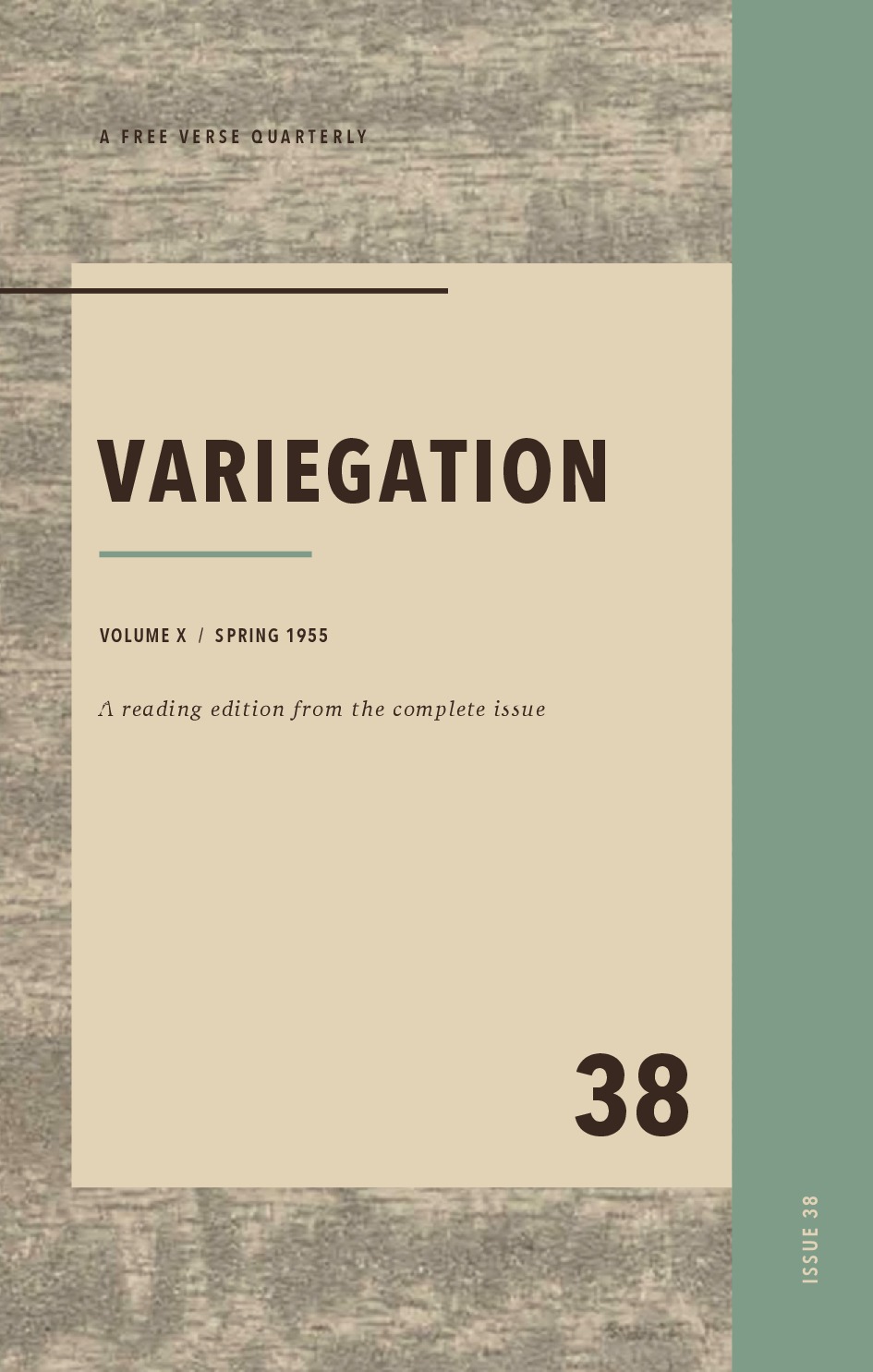
Journal Issue
Cecil Kyle’s 3-poem run, from Farewell to Offerings to Aphrodite, gives this issue its clearest formal center.
View edition →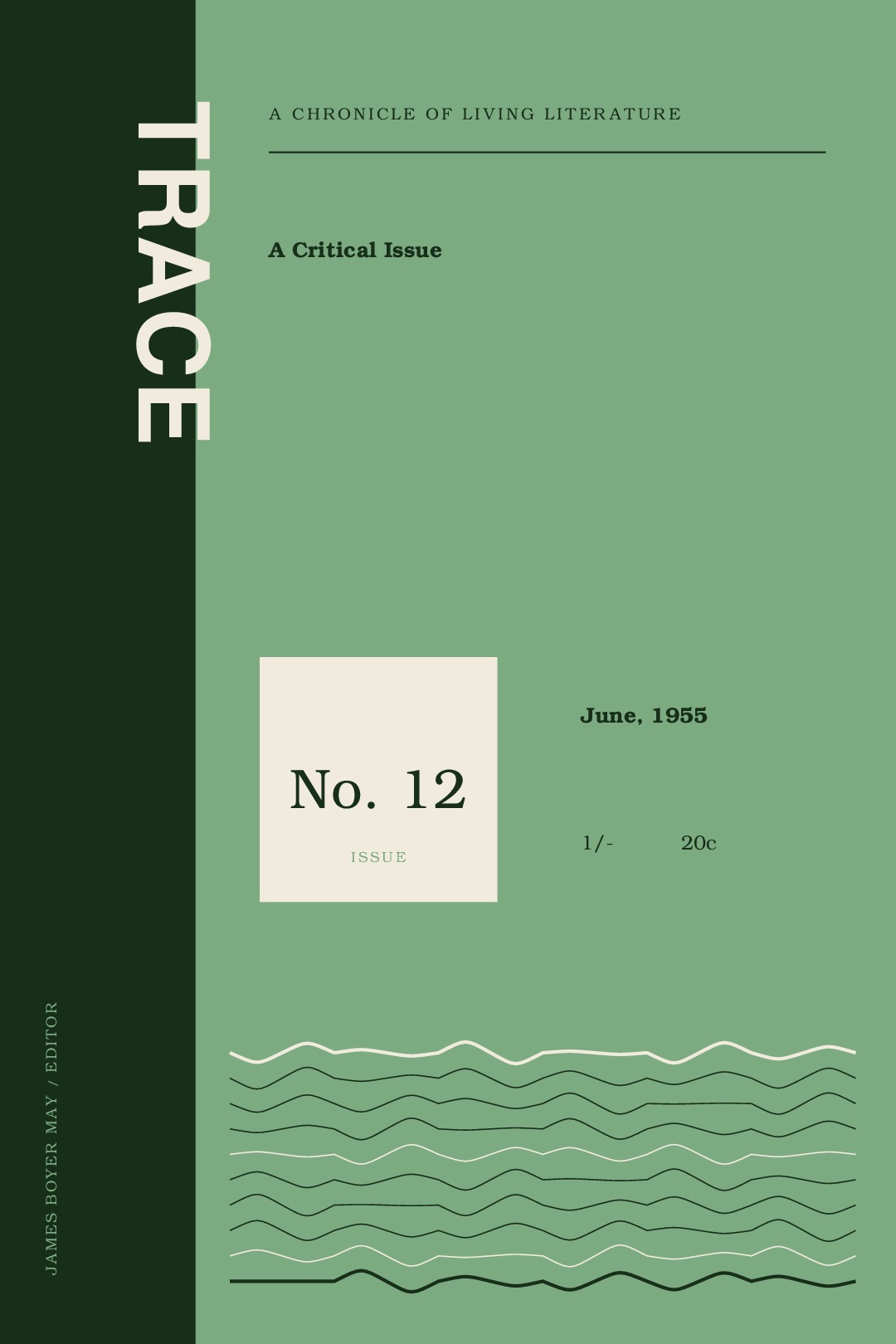
Journal Issue
Towards Print by the Editor of Trace by James Boyer May gives Trace no. 12 its clearest point of entry, while Bern Porter and Some Items Received by the Editor widen the issue’s field.
View edition →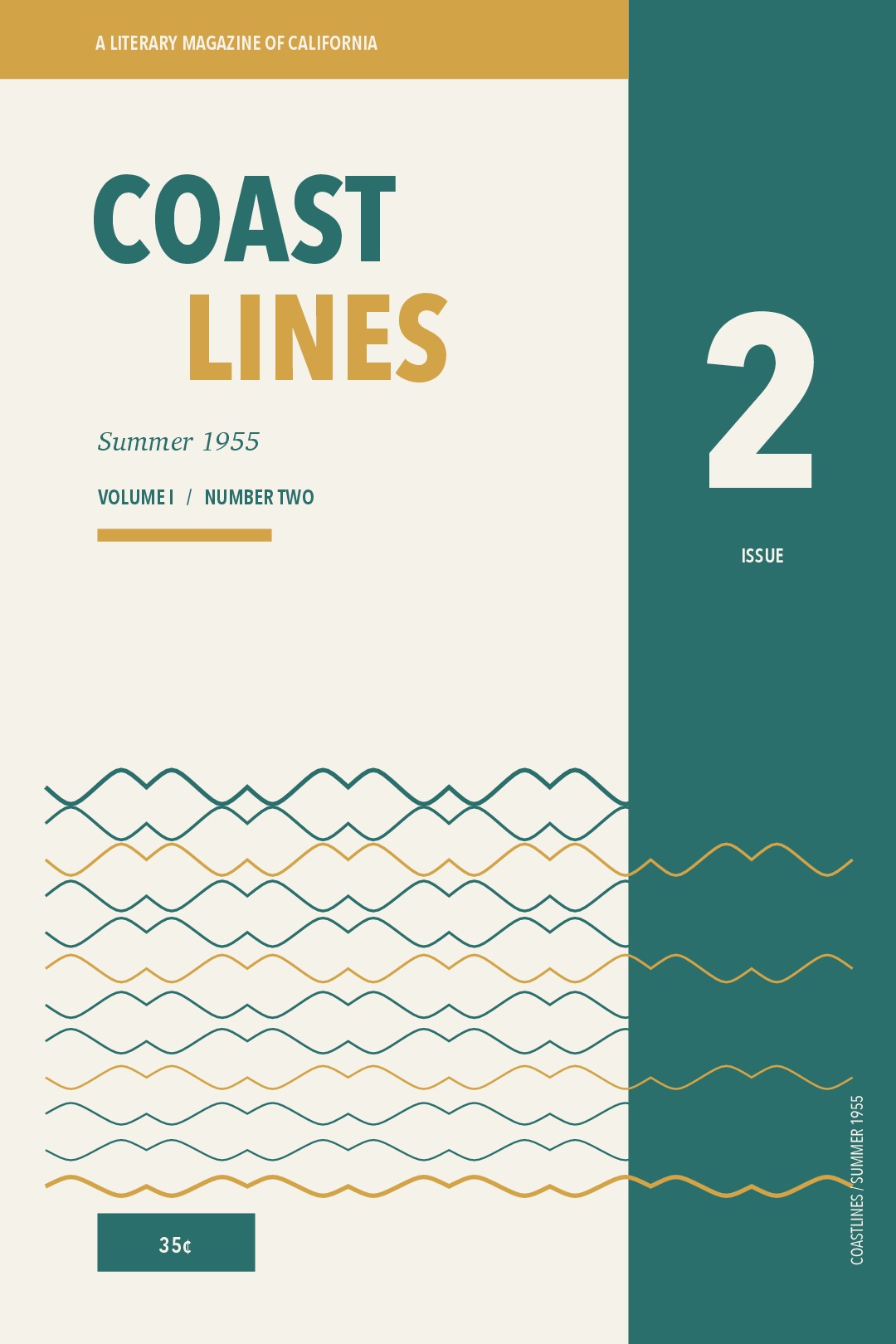
Journal Issue
Collected Poems of Wallace Stevens gives this issue its argumentative center, with Gene Frumkin setting the terms.
View edition →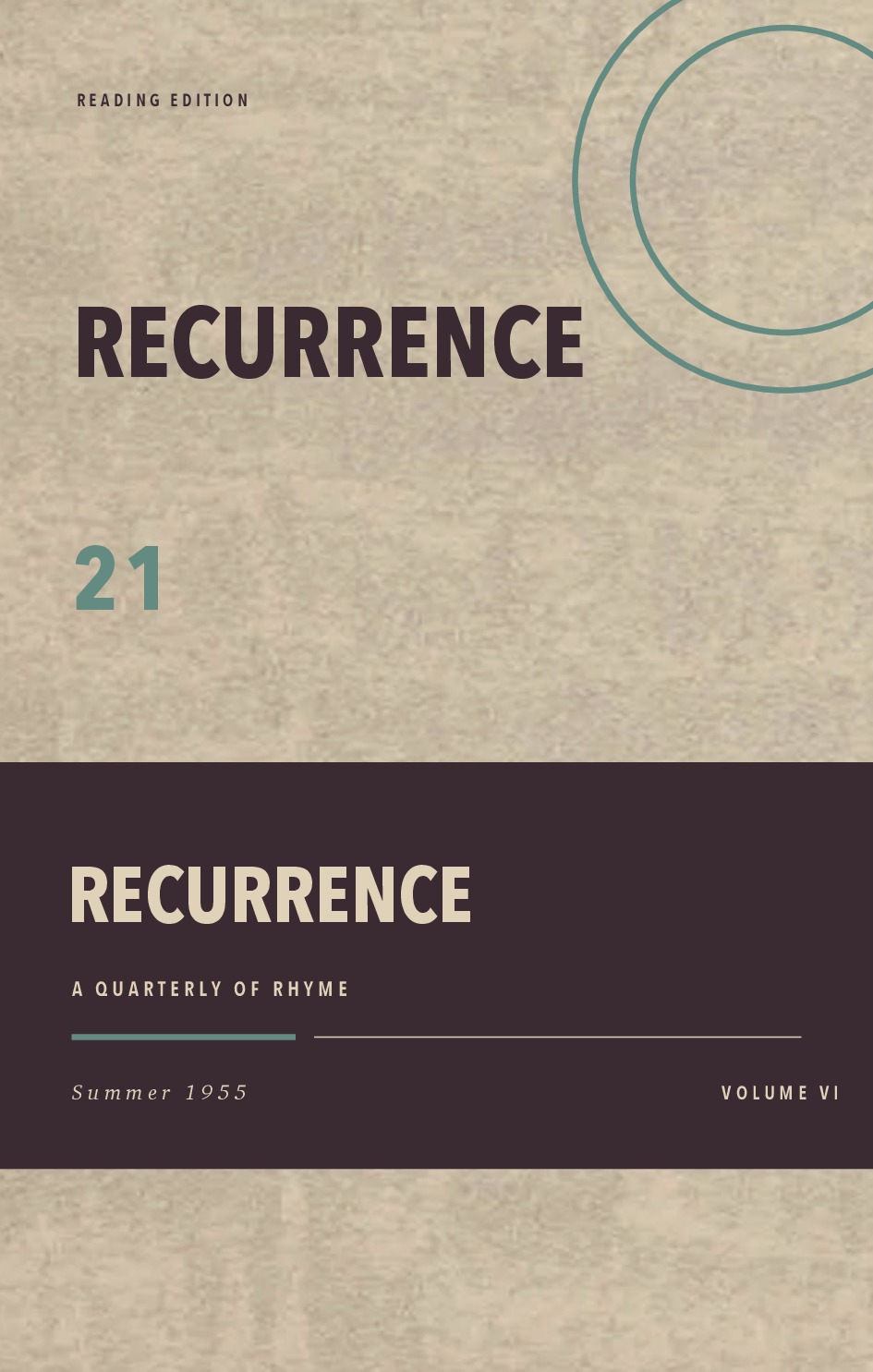
Journal Issue
Slow Potto in Captivity and Use of Earth give the issue a strong interest in shifting scenes and states of mind.
View edition →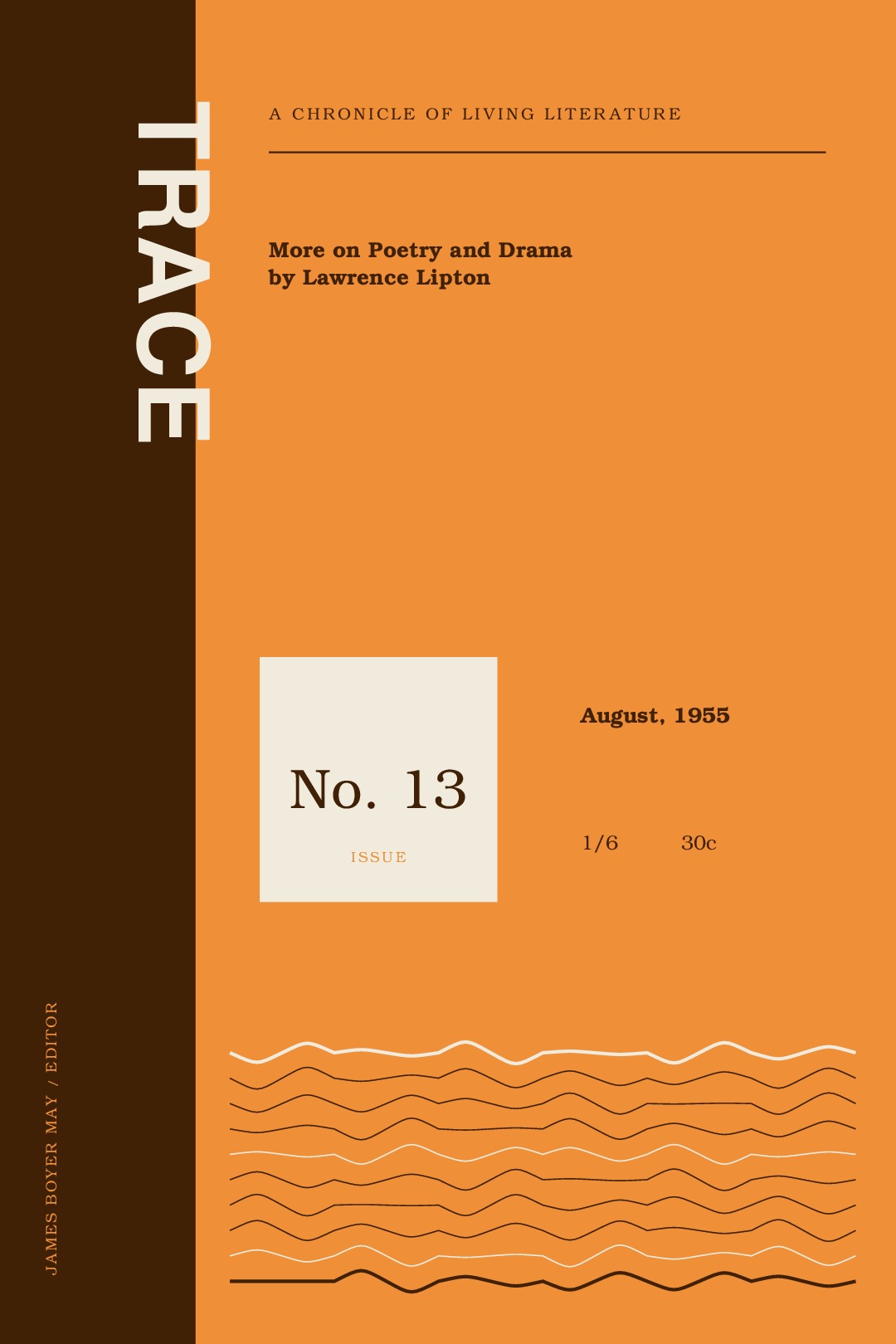
Journal Issue
Towards Print by James Boyer May gives Trace no. 13 its clearest point of entry, while Glen Coffield’s New Age Anthology of Poetry and More on Poetry and Drama by Lawrence Lipton widen the issue’s field.
View edition →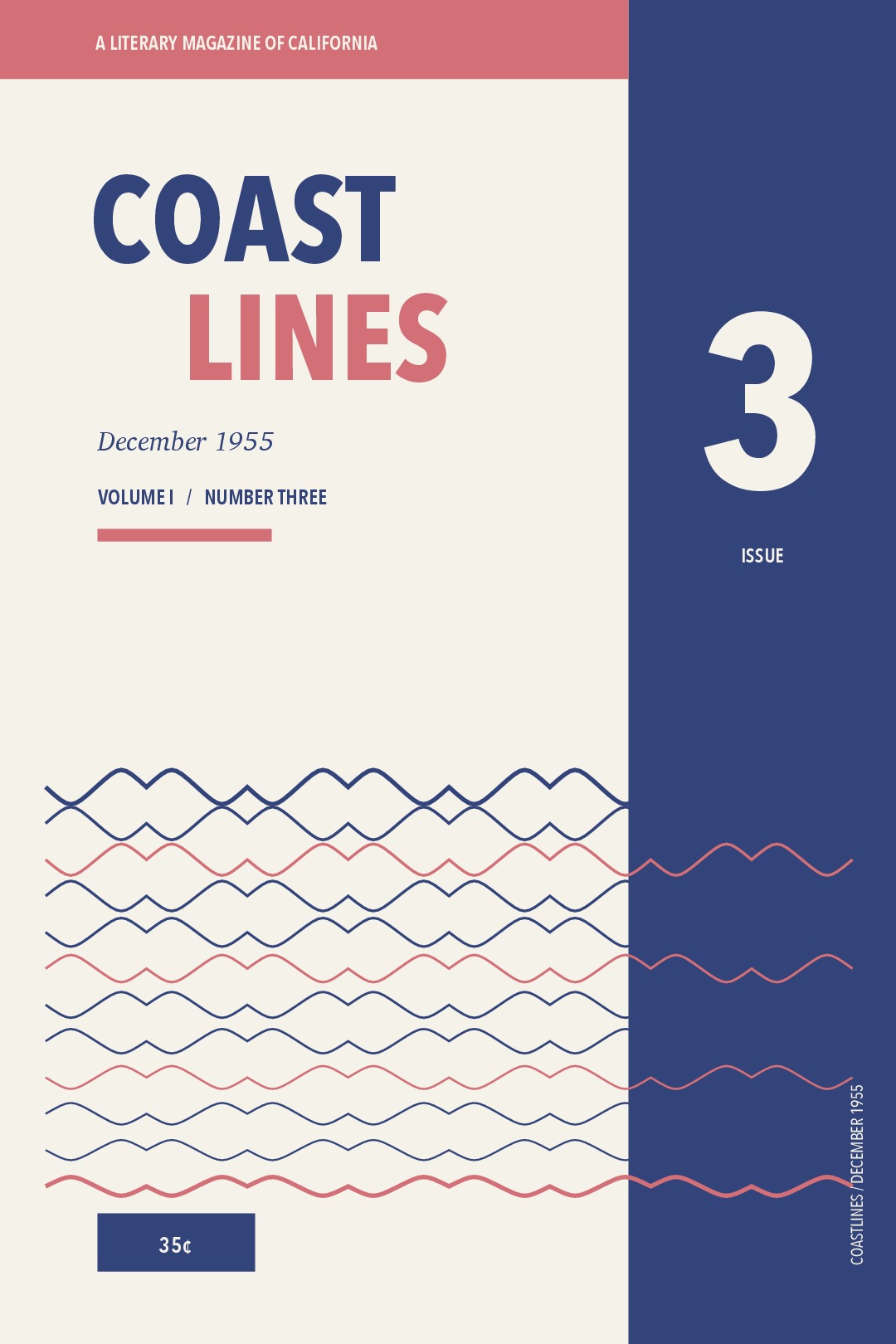
Journal Issue
Science Fiction: From Escape to Freedom gives this issue its argumentative center, with Mel Weisburd setting the terms.
View edition →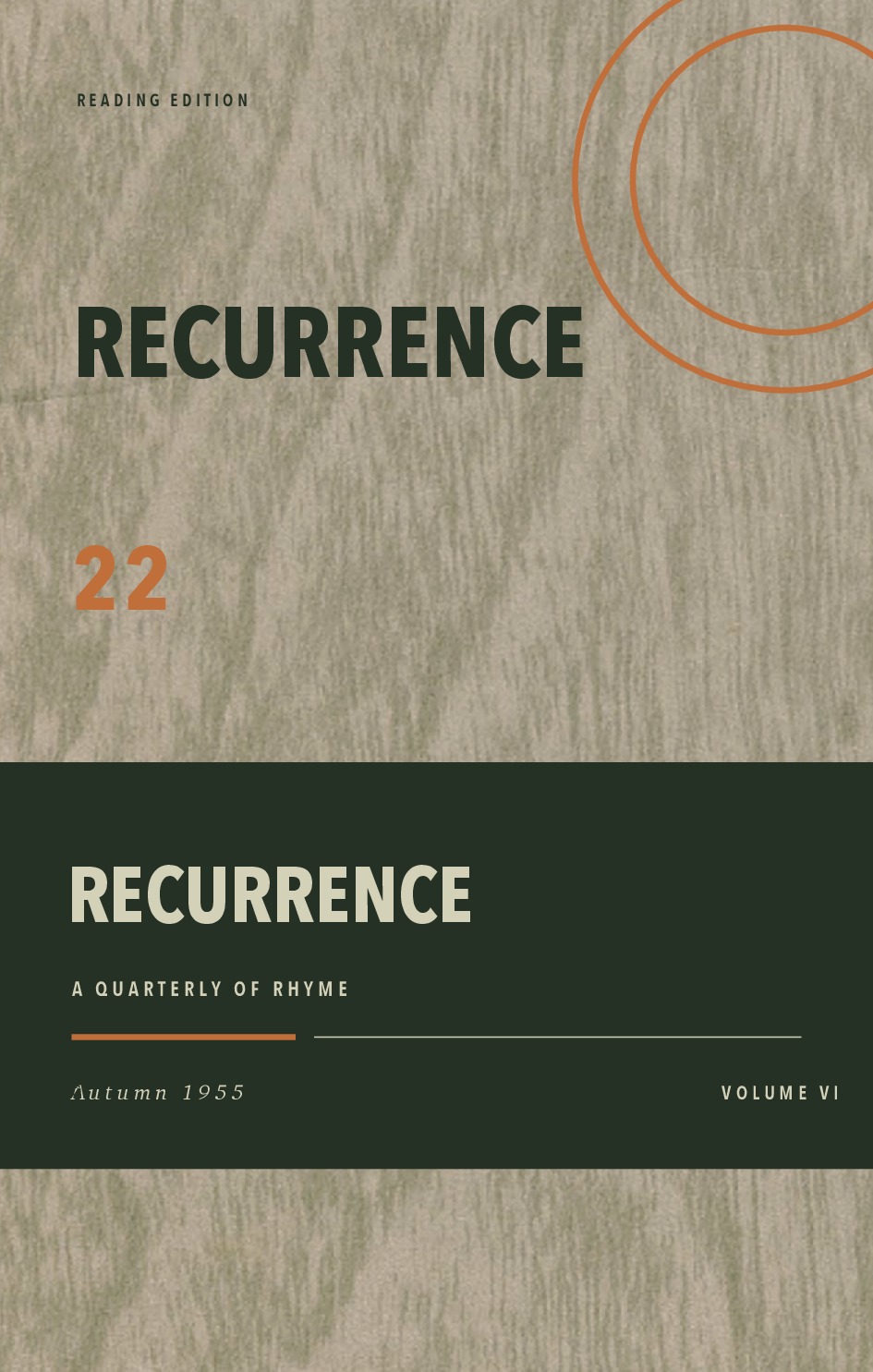
Journal Issue
Myron H. Broomell’s 3-poem run, from The Point of Aristotle to Glass is the Best Material for Ashtrays, gives this issue its clearest formal center.
View edition →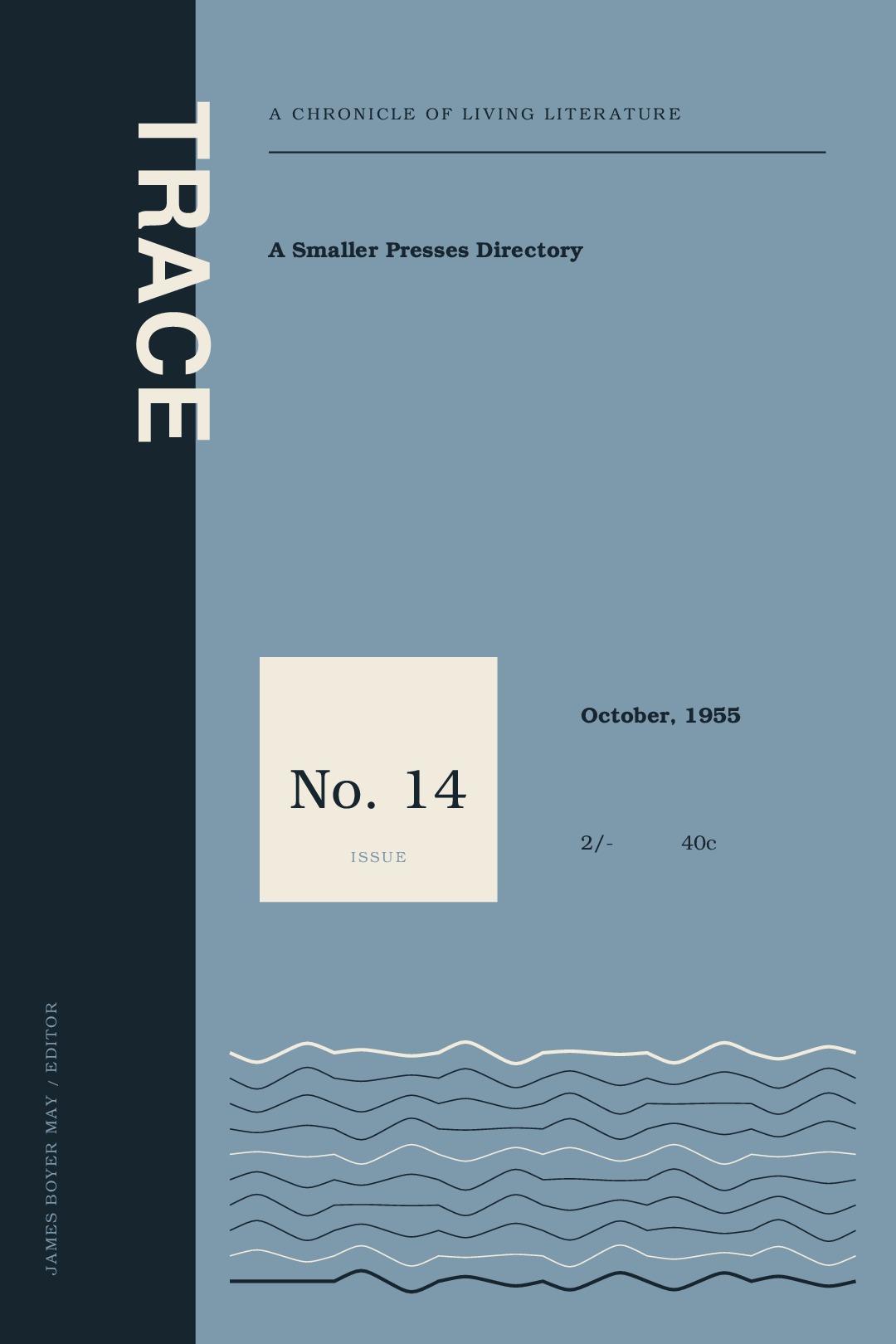
Journal Issue
Poetry in Canada—magazines by Fred Cogswell gives Trace no. 14 its clearest point of entry, while Towards Print by the Editor of Trace by James Boyer May widens the issue’s field.
View edition →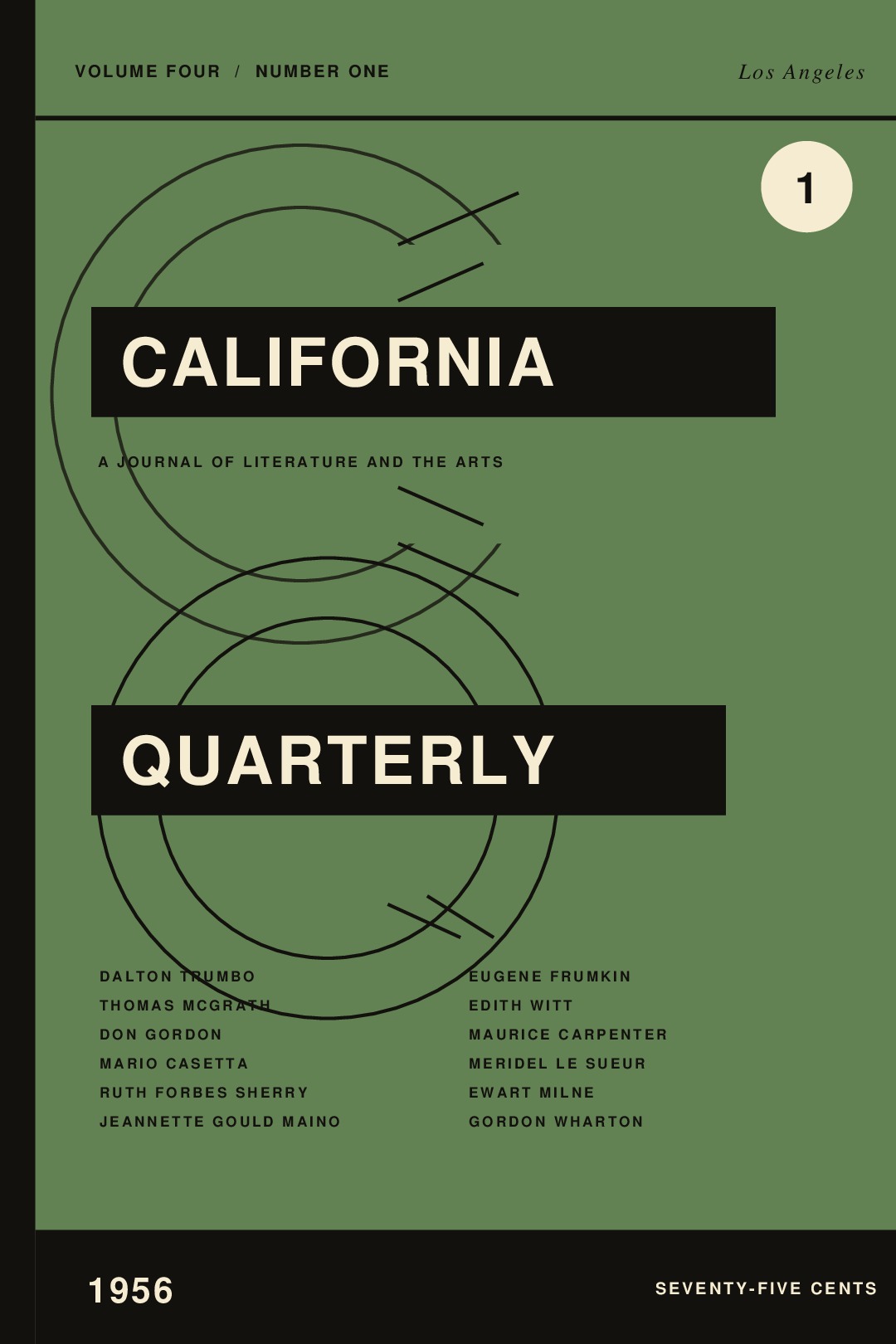
Journal Issue
Beyond Loneliness gives this issue its argumentative center.
View edition →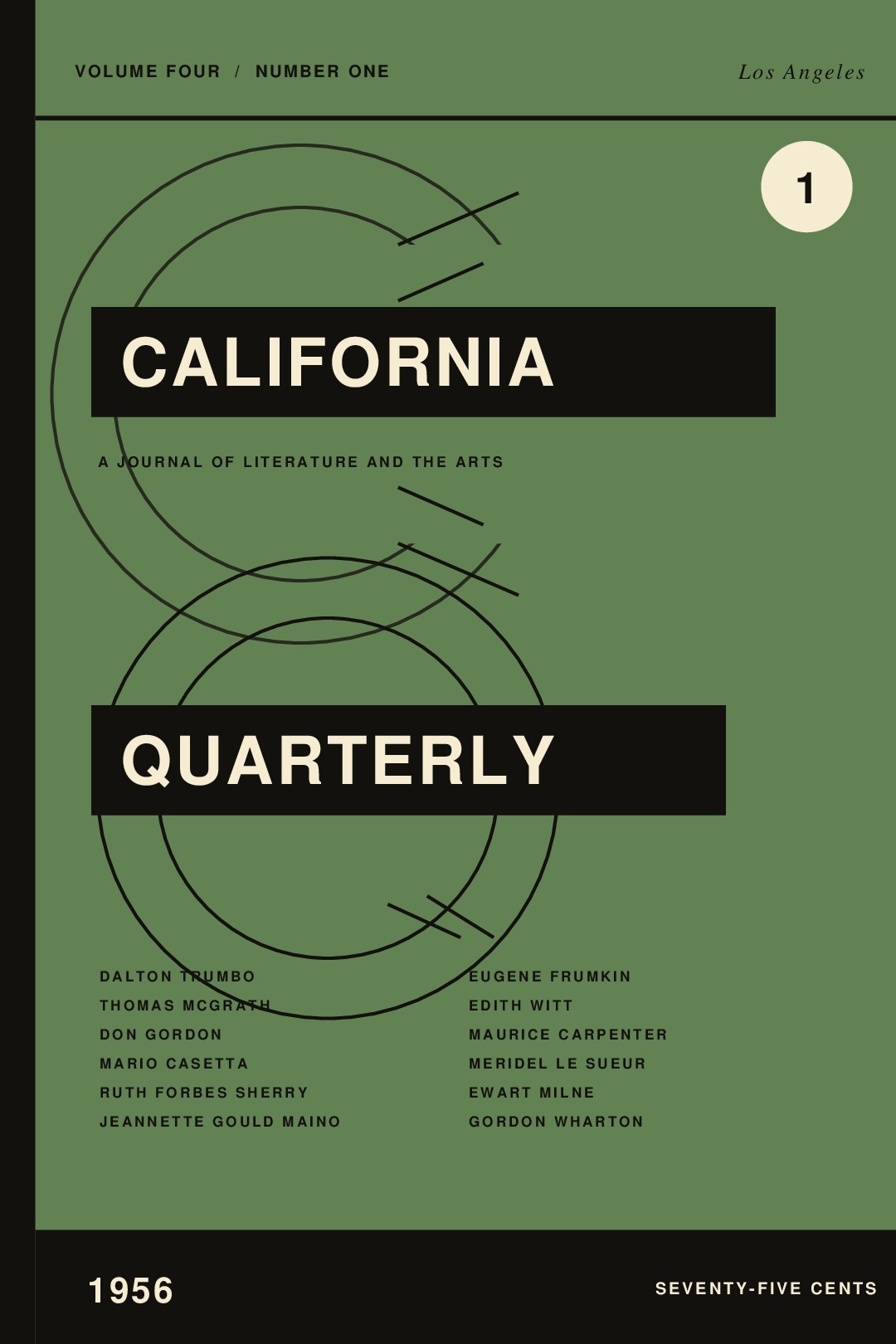
Journal Issue
Beyond Loneliness gives this issue its argumentative center.
View edition →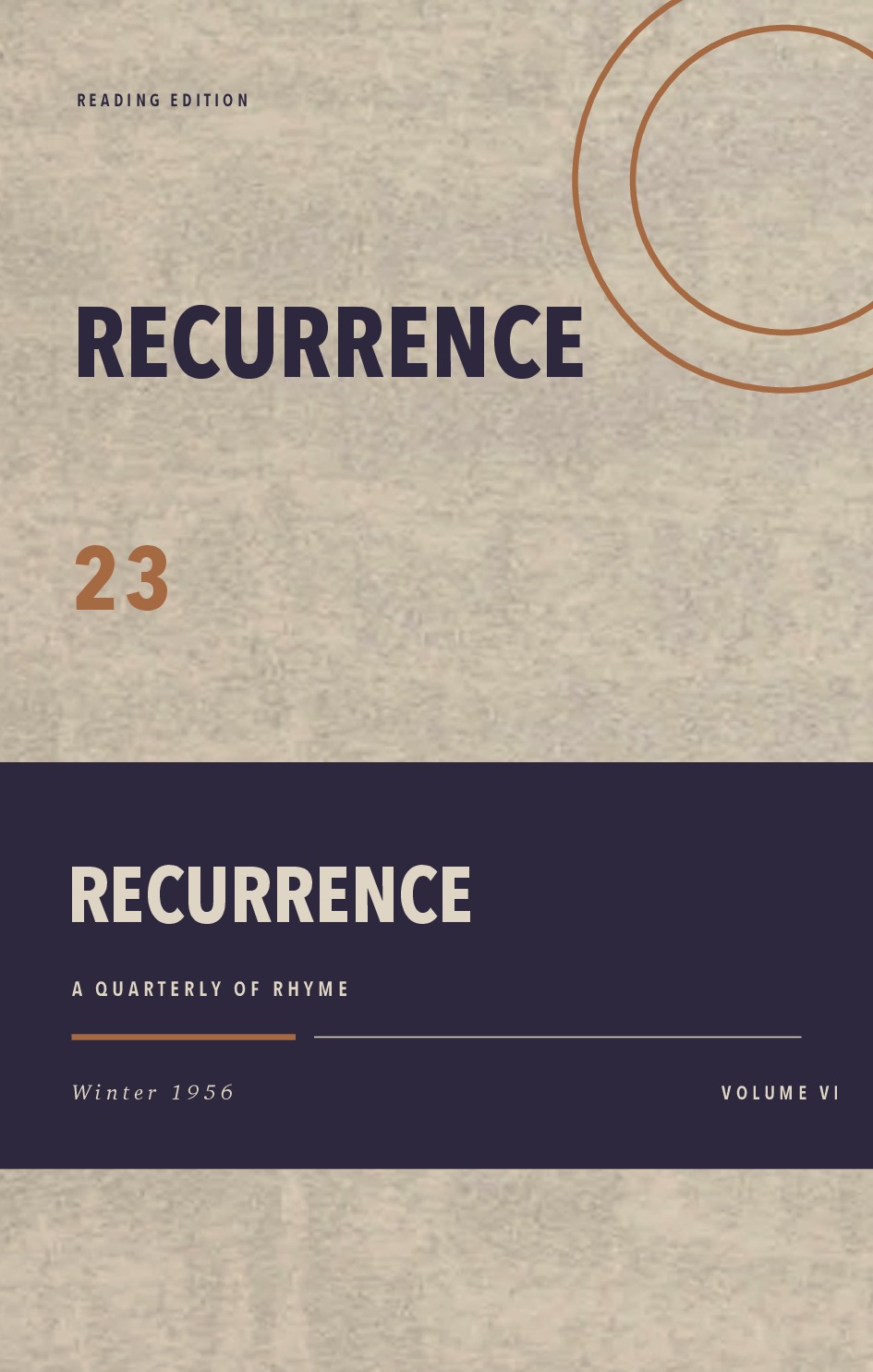
Journal Issue
Eleanor Glenn Wallis’s 3-poem run, from Whooping Cranes to The Hunter, gives this issue its clearest formal center.
View edition →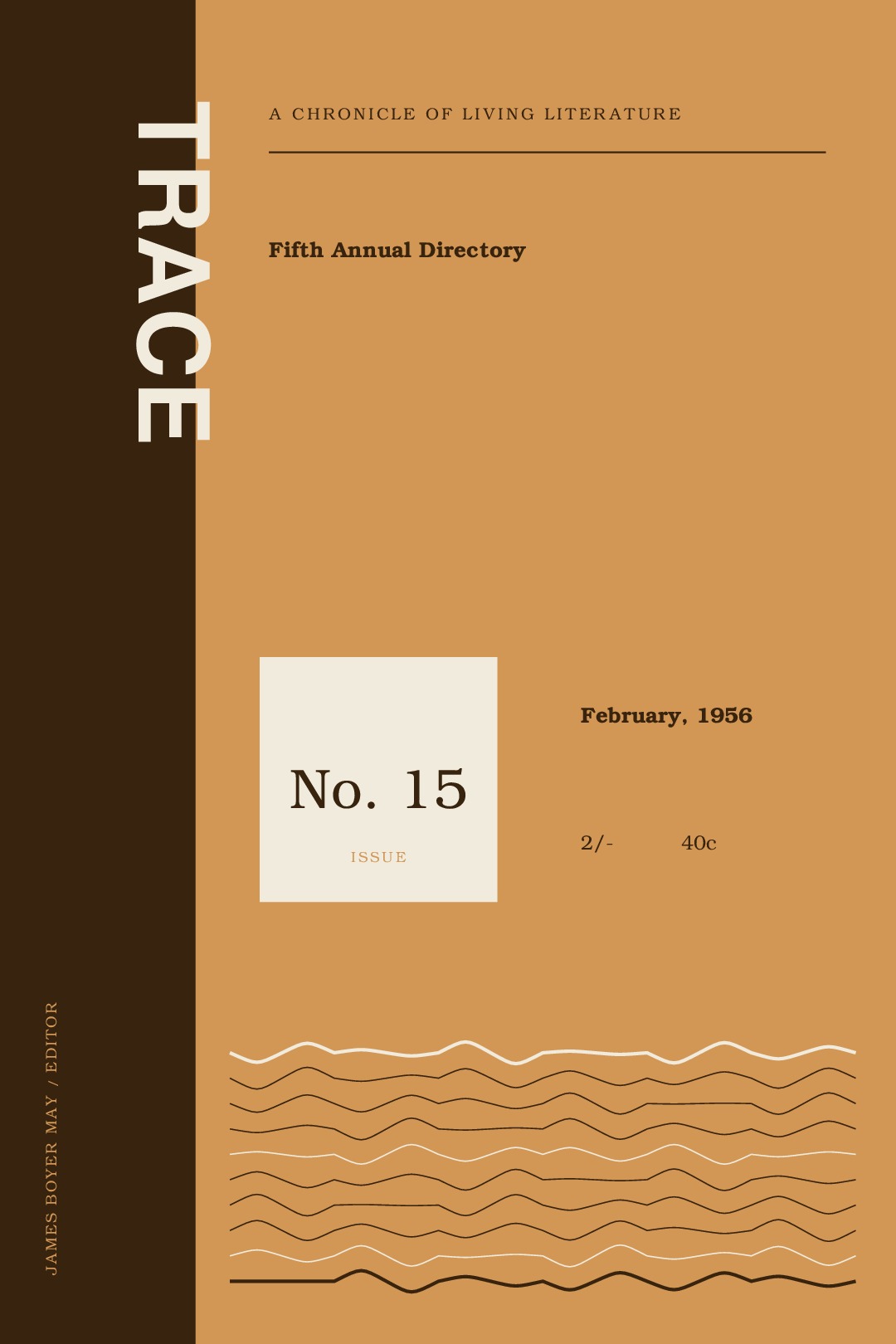
Journal Issue
Selected from You and Modern Poetry by George Abbe gives Trace no. 15 its clearest point of entry, while Towards Print by James Boyer May and Some Items Received by the Editor widen the issue’s field.
View edition →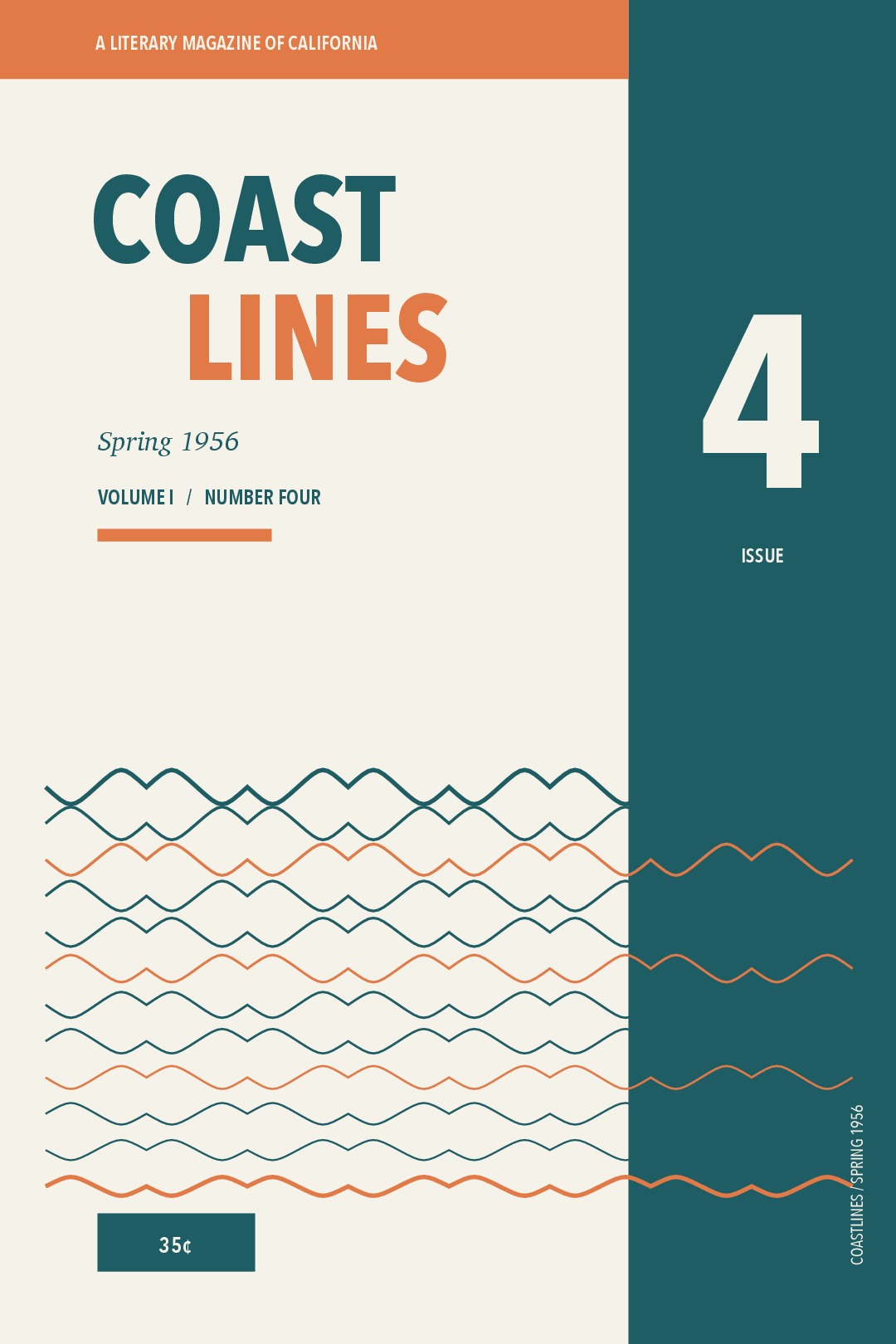
Journal Issue
From You and Contemporary Poetry gives this issue its argumentative center, with George Abbe setting the terms.
View edition →