Journal Issue
Recurrence, Vol. III, No. 11 (Winter 1953)
Flying Fish and Weapon and Shield give the issue a strong interest in seasonal change.
View edition →Extremes and Moderations: A Historical Archive of Los Angeles and Southern California Poetry
Browse complete issues, journal-derived anthologies, and research indexes. Each record opens to an individual reading page with contributors, contents, publication details, and PDF access.
Journal Issue
Flying Fish and Weapon and Shield give the issue a strong interest in seasonal change.
View edition →
Journal Issue
Cecil Kyle’s 4-poem run, from Retreat to Ascent, gives this issue its clearest formal center.
View edition →
Journal Issue
Towards Print by James Boyer May gives Trace no. 3 its clearest point of entry, while the editorial material that follows it widens the issue’s field.
View edition →
Journal Issue
The Role of the Prophet gives this issue its argumentative center, with George Abbe setting the terms.
View edition →
Journal Issue
Carol Hogben’s 3-poem run, from My Summer Stranger to Life Lane, gives this issue its clearest formal center.
View edition →
Journal Issue
Ada Davies’s 3-poem run, from Years after Thirty to Through the Windshield, gives this issue its clearest formal center.
View edition →
Journal Issue
Little Magazines and Tyranny by Lawrence Barth gives Trace no. 4 its clearest point of entry, while Towards Print by James Boyer May and Opinion widen the issue’s field.
View edition →
Journal Issue
Michael Wilson’s screenplay Salt of the Earth gives this issue its shape: a New Mexico mining strike becomes a test of solidarity, with the women’s demand for equality at home strengthening the workers’ fight on the picket line.
View edition →
Journal Issue
Ann Stanford’s 3-poem run, from The Trolley to Apple in a Southern Garden, gives this issue its clearest formal center.
View edition →
Journal Issue
William Millett’s 4-poem run, from Blind Man to Trains Mourn Their Distance, gives this issue its clearest formal center.
View edition →
Journal Issue
Portrait of an Undesirable Alien gives this issue its argumentative center, with Frank Scully setting the terms.
View edition →
Journal Issue
Largesse and Proverb Reconsidered give the issue a strong interest in shifting scenes and states of mind.
View edition →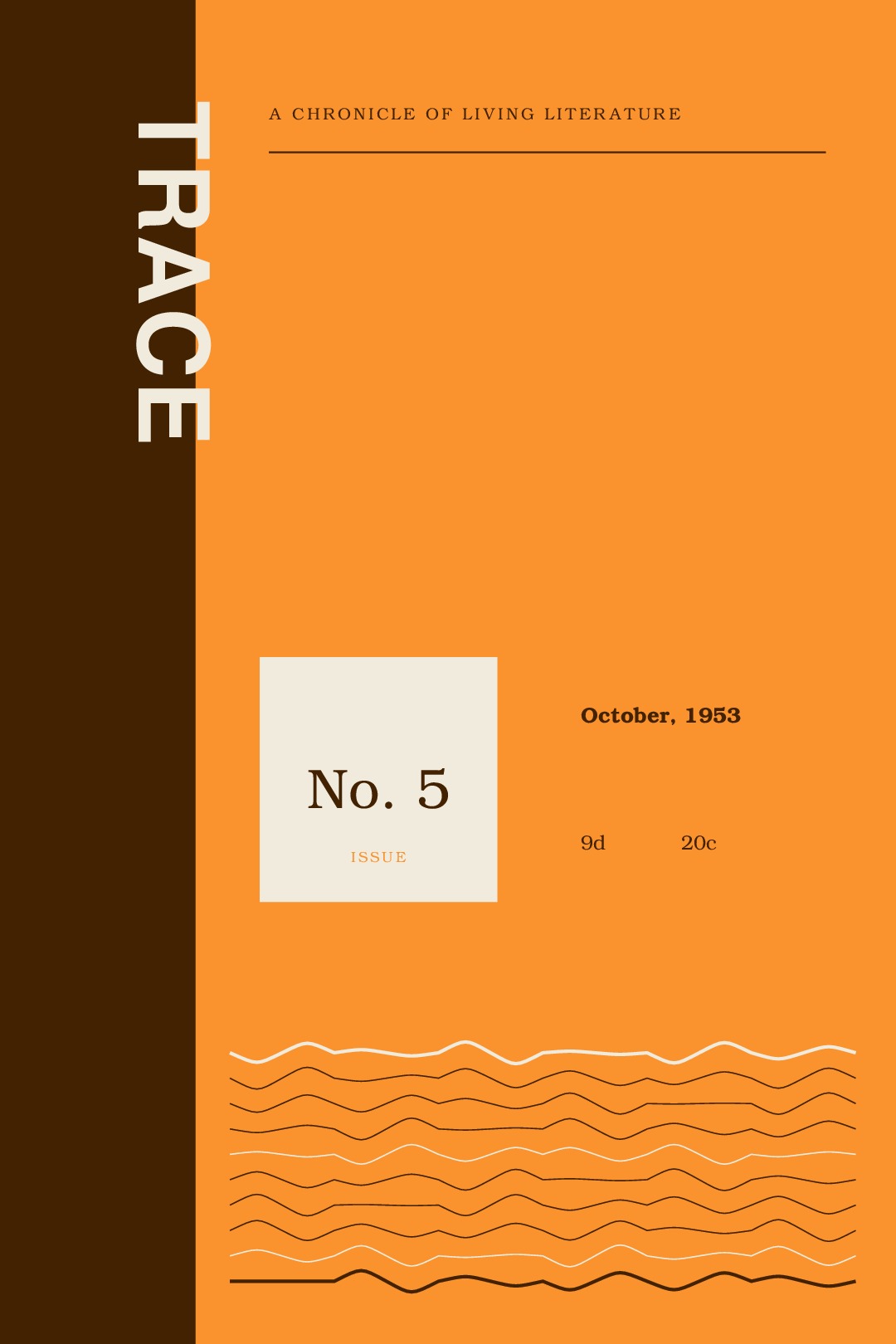
Journal Issue
A Survey of Little Magazine Publishing gives Trace no. 5 its clearest point of entry, while Returns and Longevity widen the issue’s field.
View edition →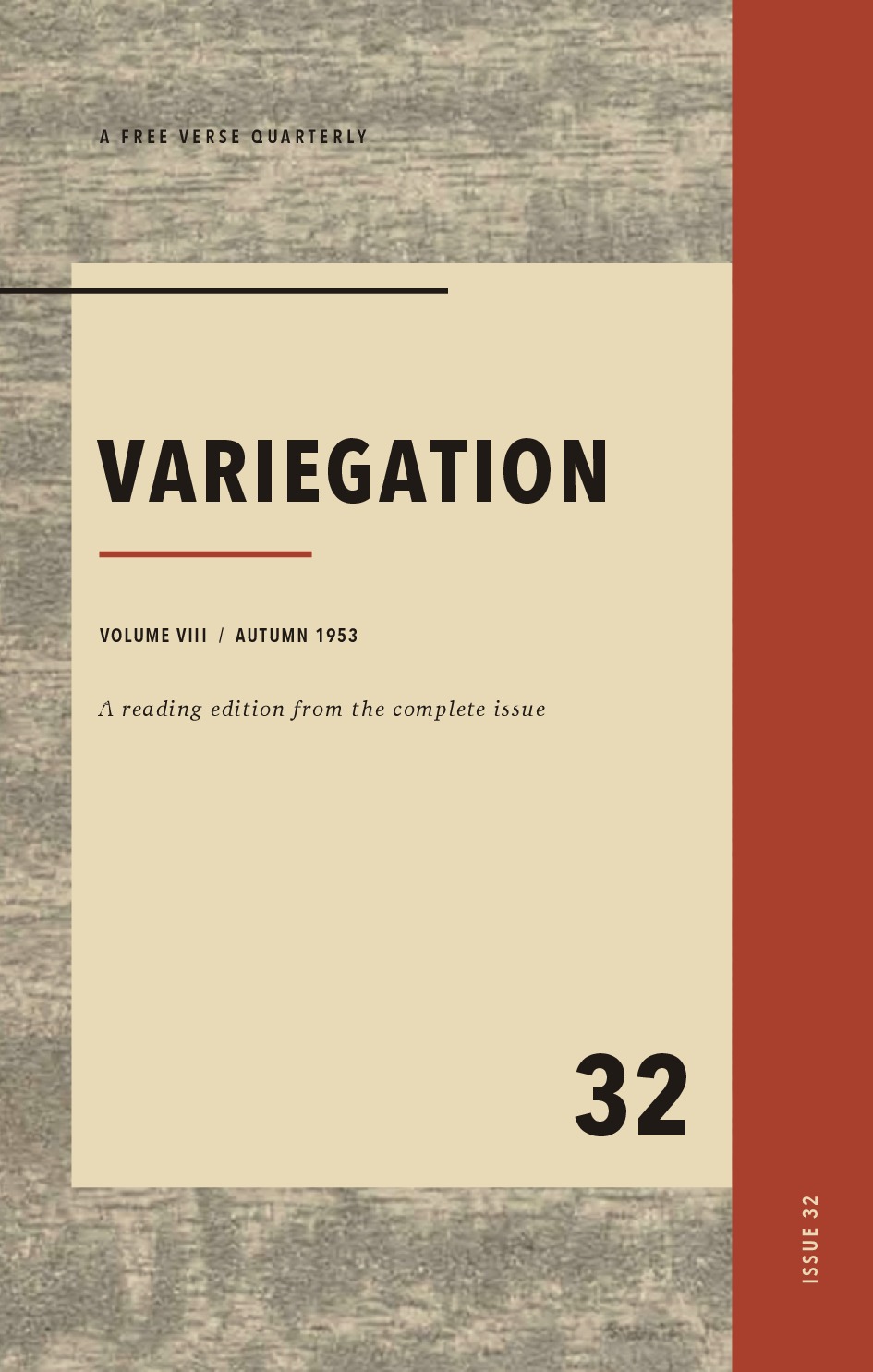
Journal Issue
William Millett’s 3-poem run, from Rebirth to Silently They Invade, gives this issue its clearest formal center.
View edition →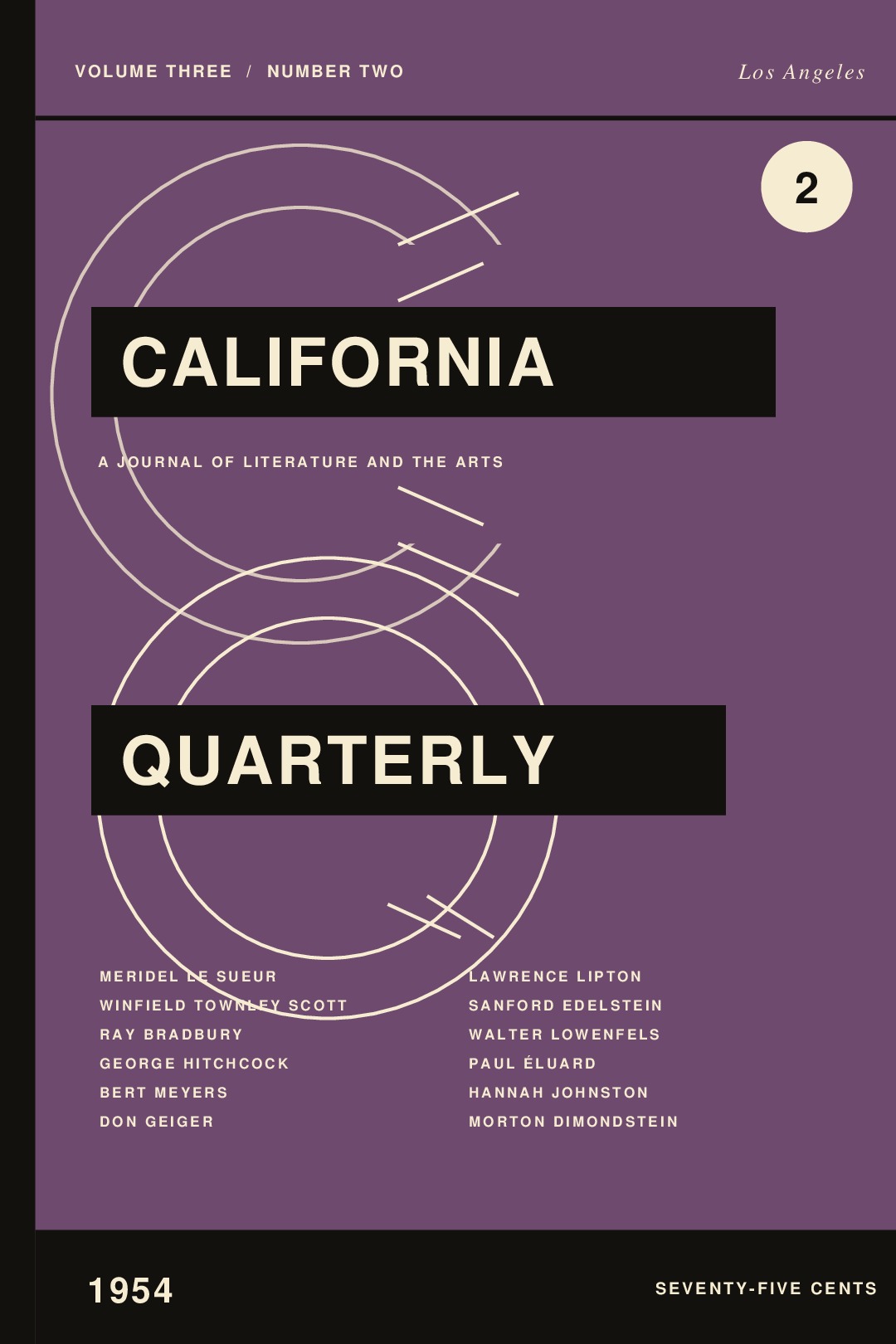
Journal Issue
Poetry Must Have as Its Aim… gives this issue its argumentative center, with Paul Éluard setting the terms.
View edition →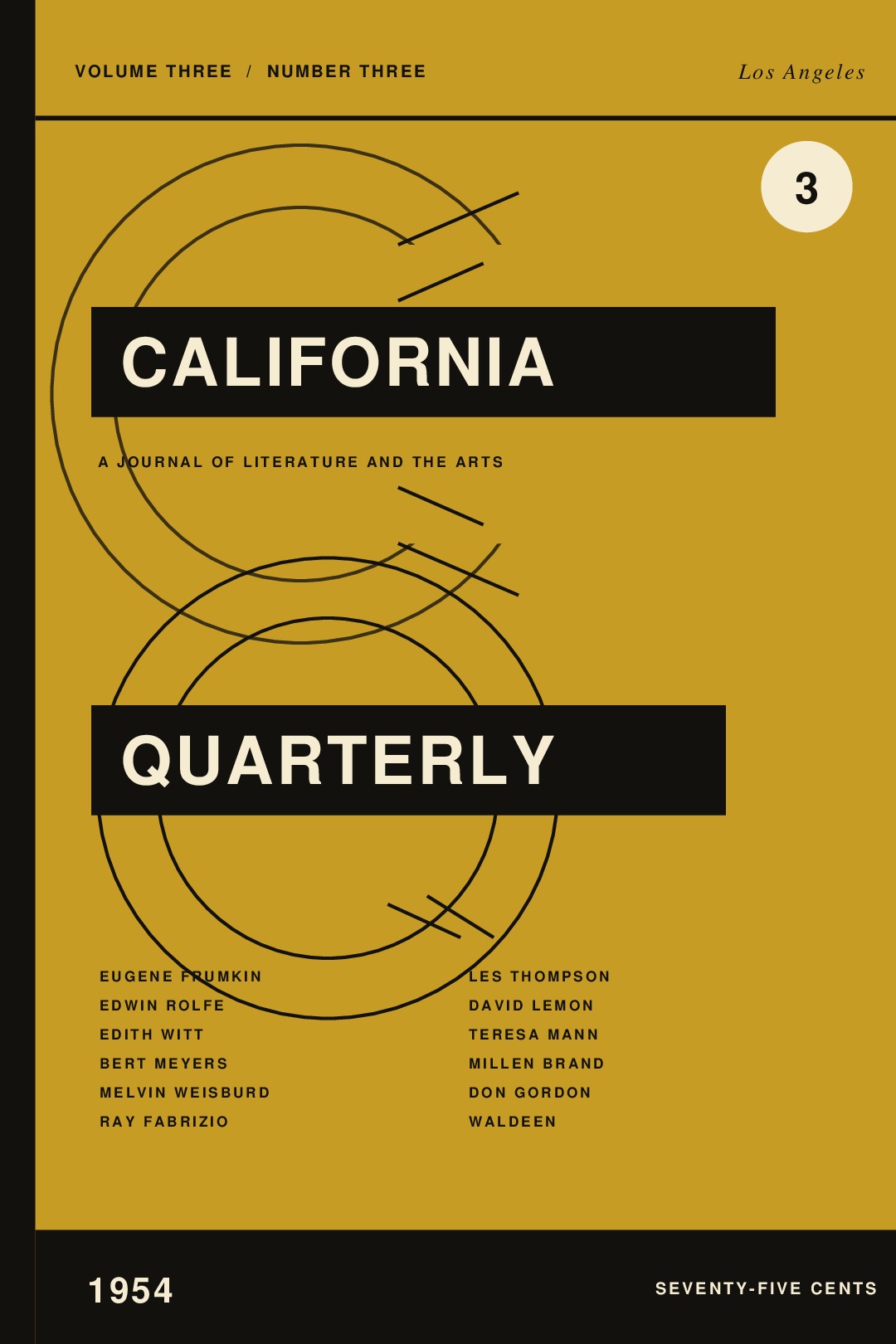
Journal Issue
Elegy for a Soldier of the Spanish Civil War opens a number whose strongest movement comes through poetry.
View edition →
Journal Issue
Elegy for a Soldier of the Spanish Civil War opens a number whose strongest movement comes through poetry.
View edition →
Journal Issue
Wind and Tumultuous Altars give the issue a strong interest in water and weather.
View edition →
Journal Issue
Cecil Kyle’s 5-poem run, from My Nirvana to Entreaty, gives this issue its clearest formal center.
View edition →
Journal Issue
Towards Print by James Boyer May gives Trace no. 6 its clearest point of entry, while Adventures in Poetry Magazines widens the issue’s field.
View edition →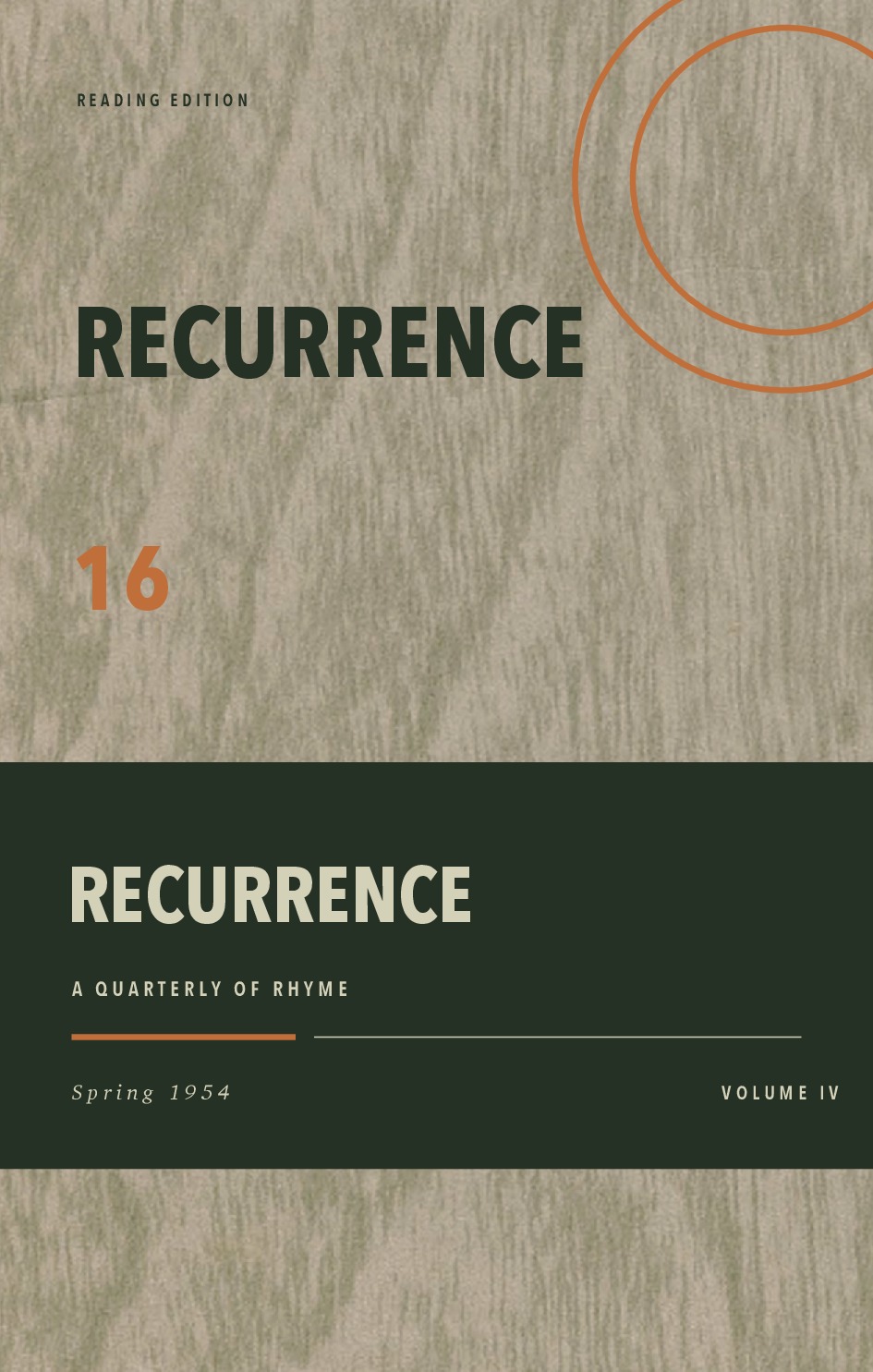
Journal Issue
The Myth and The Pigeons give the issue a strong interest in shifting scenes and states of mind.
View edition →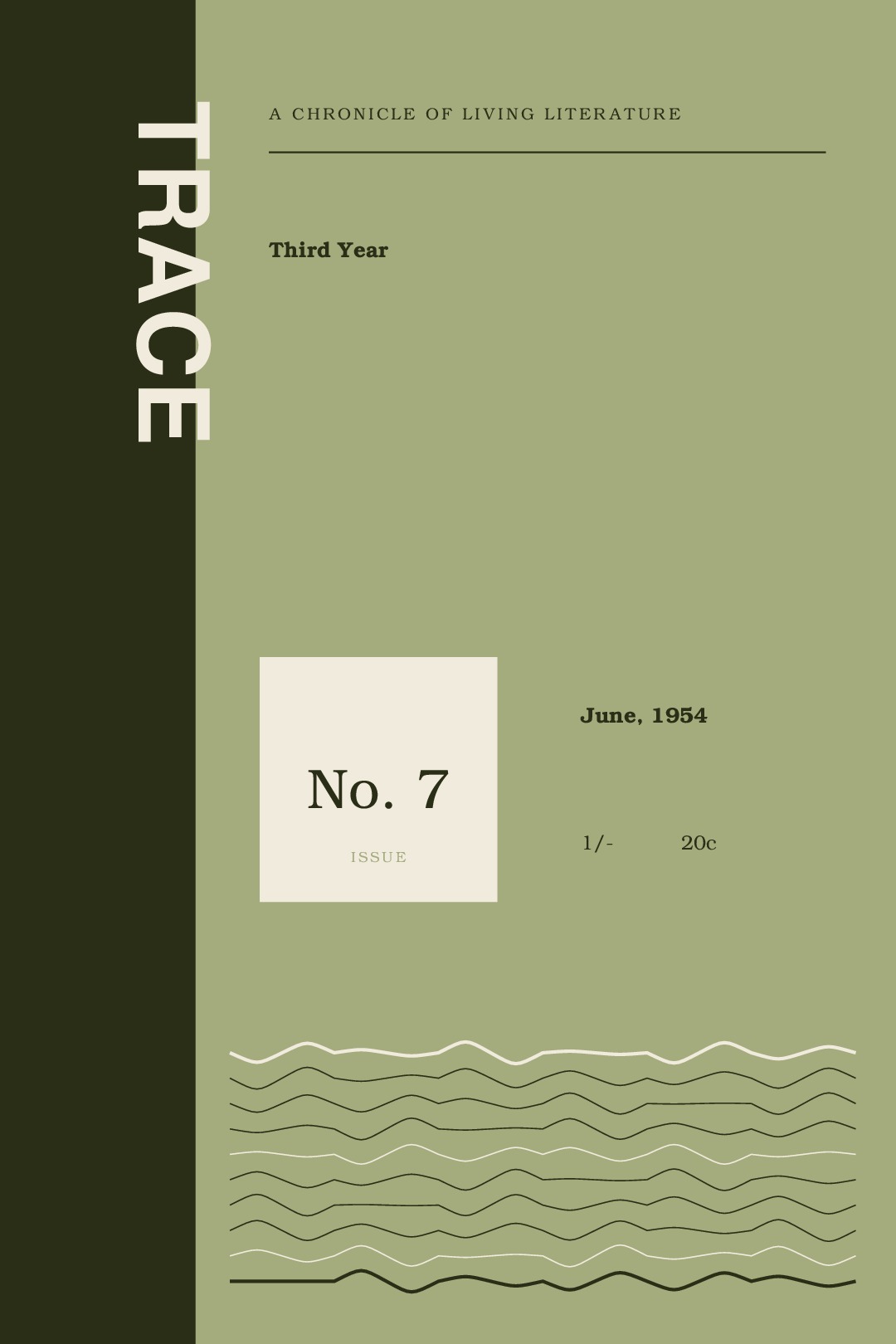
Journal Issue
Prognosis for Little Magazines by Ellen Edelman gives Trace no. 7 its clearest point of entry, while Towards Print by James Boyer May widens the issue’s field.
View edition →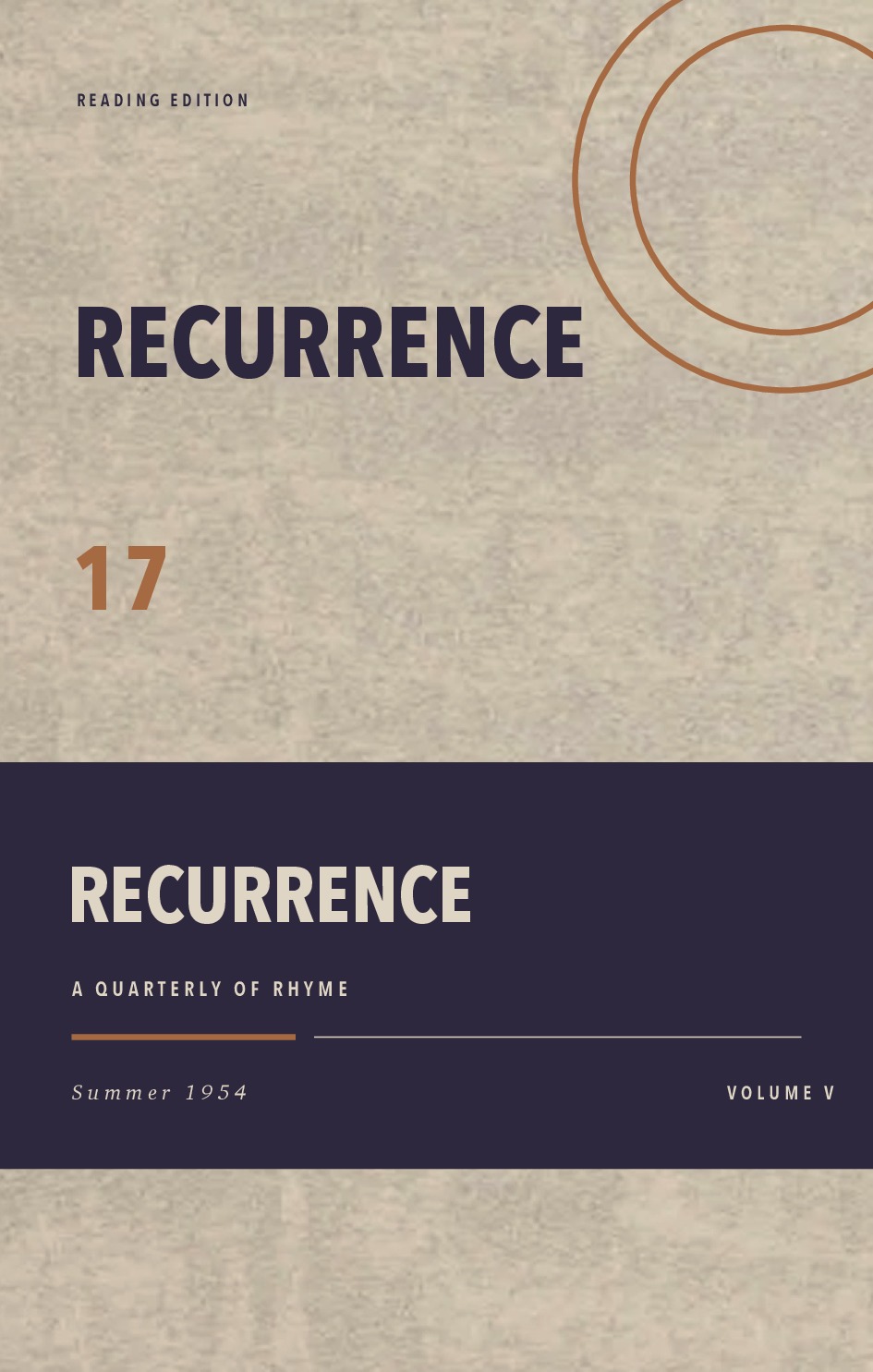
Journal Issue
Eleanor Glenn Wallis’s 3-poem run, from Partridge Call to The Interval, gives this issue its clearest formal center.
View edition →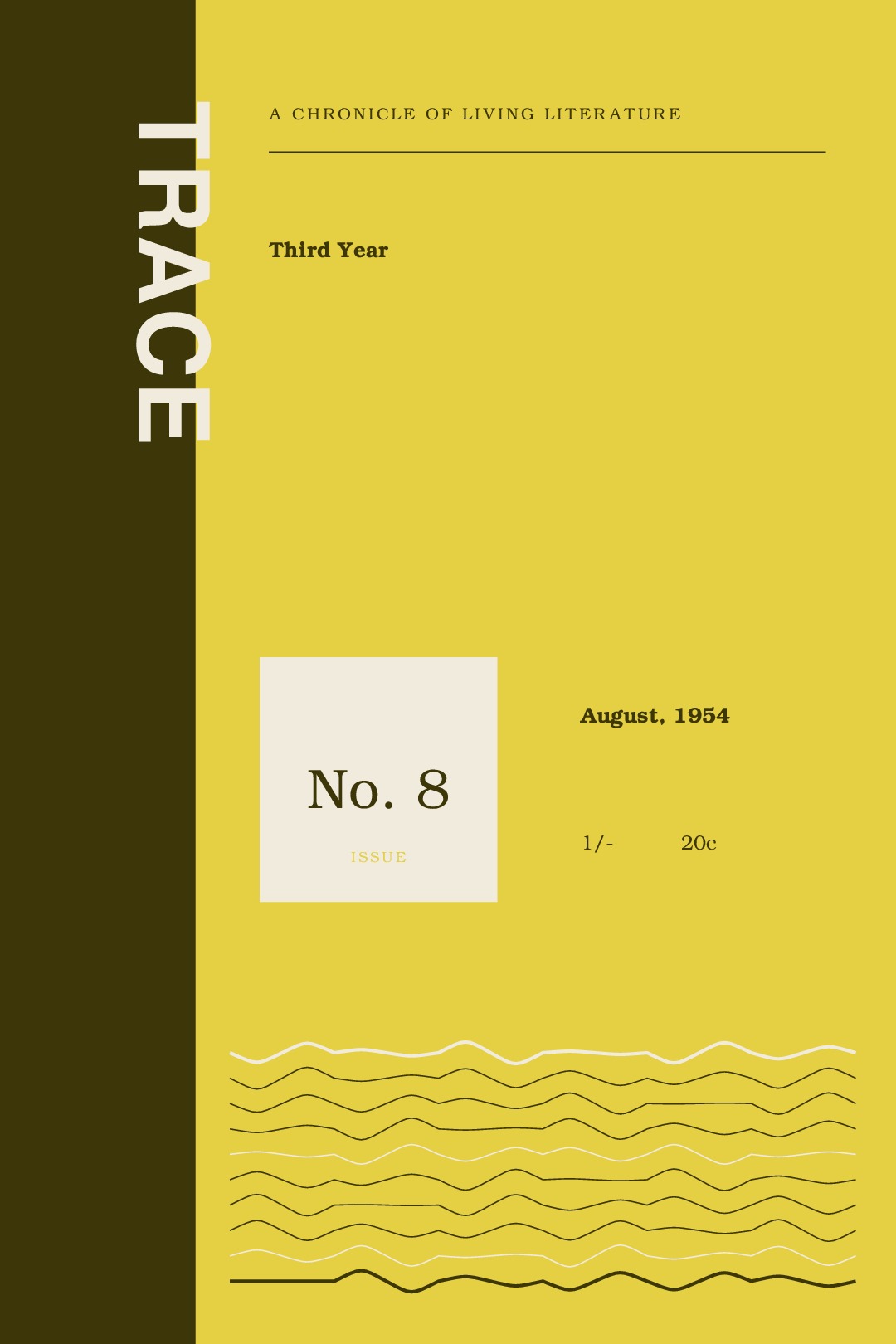
Journal Issue
Towards Print by James Boyer May gives Trace no. 8 its clearest point of entry, while the editorial material that follows it widens the issue’s field.
View edition →